The double duty of progressives

Progressives seem to be on the back foot at the moment because of how the educational system measures outcomes. We have to succeed at the traditionalists’ knowledge-based targets and also at our own aims. 

The decision on the value of educational outcomes is currently in the hands of those who want the progressive model to fail. State schools in the UK are evaluated on a number of quantitative measures set by the Department for Education (DfE). These measures focus exclusively on children’s knowledge acquisition and data is collected through formal examinations.

Progressives have other aims as well. We want students to

  • understand the concepts of equity and justice and practise them in their everyday lives
  • think and act flexibly and critically in a variety of situations outside the exam hall and
  • acquire an independent ability to learn from and reflect upon experiences after formal schooling.

Thus, progressives have a double duty. On the one hand, they have to focus on narrow knowledge acquisition so students and schools can survive the DfE’s impoverished view of education; and, on the other hand, progressives must remain true to the principles that allow students to thrive through education.

This double duty can seem impossible to achieve at times. The pressure from the DfE and its right-wing political masters to focus on traditionalists’ aims can be daunting. Yet, in our time of reaction in educational thinking, the fight to preserve progressive ideals is even more important than at any time in the last century. 

As Shatsky wrote about progressive education in 1918:

These ideas need to be nurtured, elaborated, examined in more detail and put to the test. Each new attempt fans the hope that an easier legacy has been passed down to the next generation.


Part 3 – Shatsky (1922) ‘Which comes first: the children or the school?’

Extracts from Stanislav Shatsky, A Teacher’s Experience (Progress Publishers, 1981) Continue reading “Part 3 – Shatsky (1922) ‘Which comes first: the children or the school?’”

Part 2 – Shatsky (1918) ‘First steps towards education through work’

Extracts from Stanislav Shatsky, A Teacher’s Experience (Progress Publishers, 1981) Continue reading “Part 2 – Shatsky (1918) ‘First steps towards education through work’”

Part 1 – Shatsky: the great experimenter

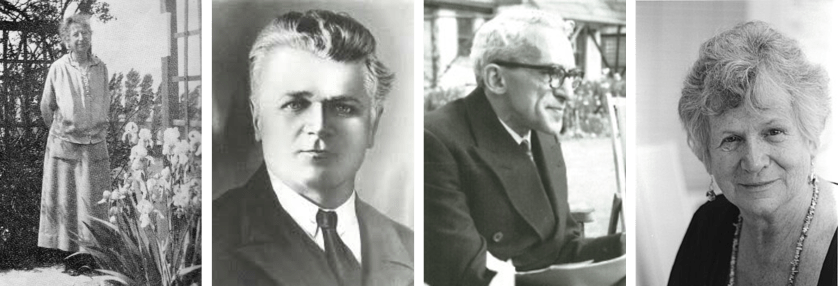
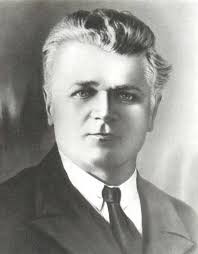
Stanislav ShatskyStanislav Shatsky, a leader of progressive education in Russia, was at the centre of a state-backed attempt to introduce progressive teaching methods into classrooms. Pre-1917, Shatsky set up settlements for children of the urban working class that promoted self-government and taught skills relevant to the needs of the children’s local communities. Although he initially maintained his distance from the Bolshevik Revolution, an increasing realisation that the educational leaders of the Soviet state (particularly Krupskaya) shared his progressive philosophy led Shatsky to join Narkompros (the People’s Commissariat for Education). Continue reading “Part 1 – Shatsky: the great experimenter”